Hernia Specialists Vienna – Hernia Surgery & Abdominal Wall Hernias

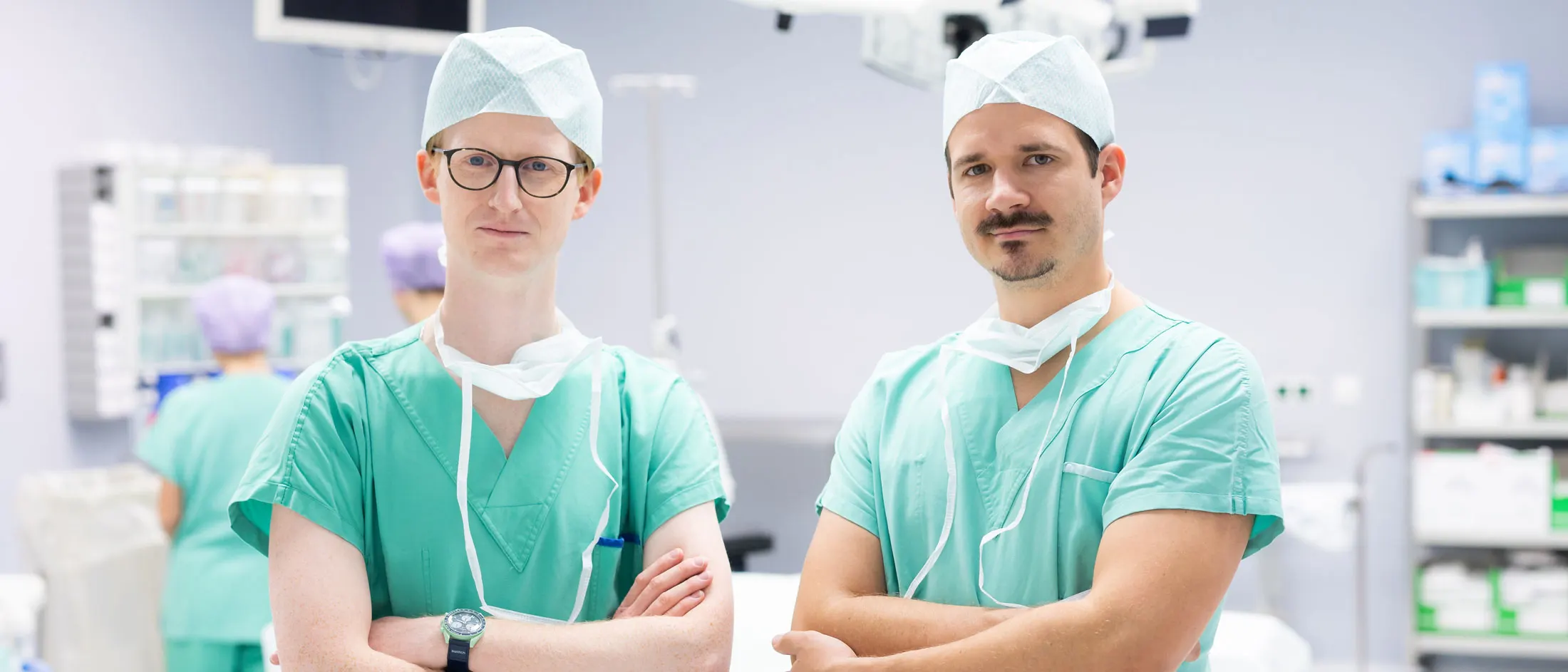
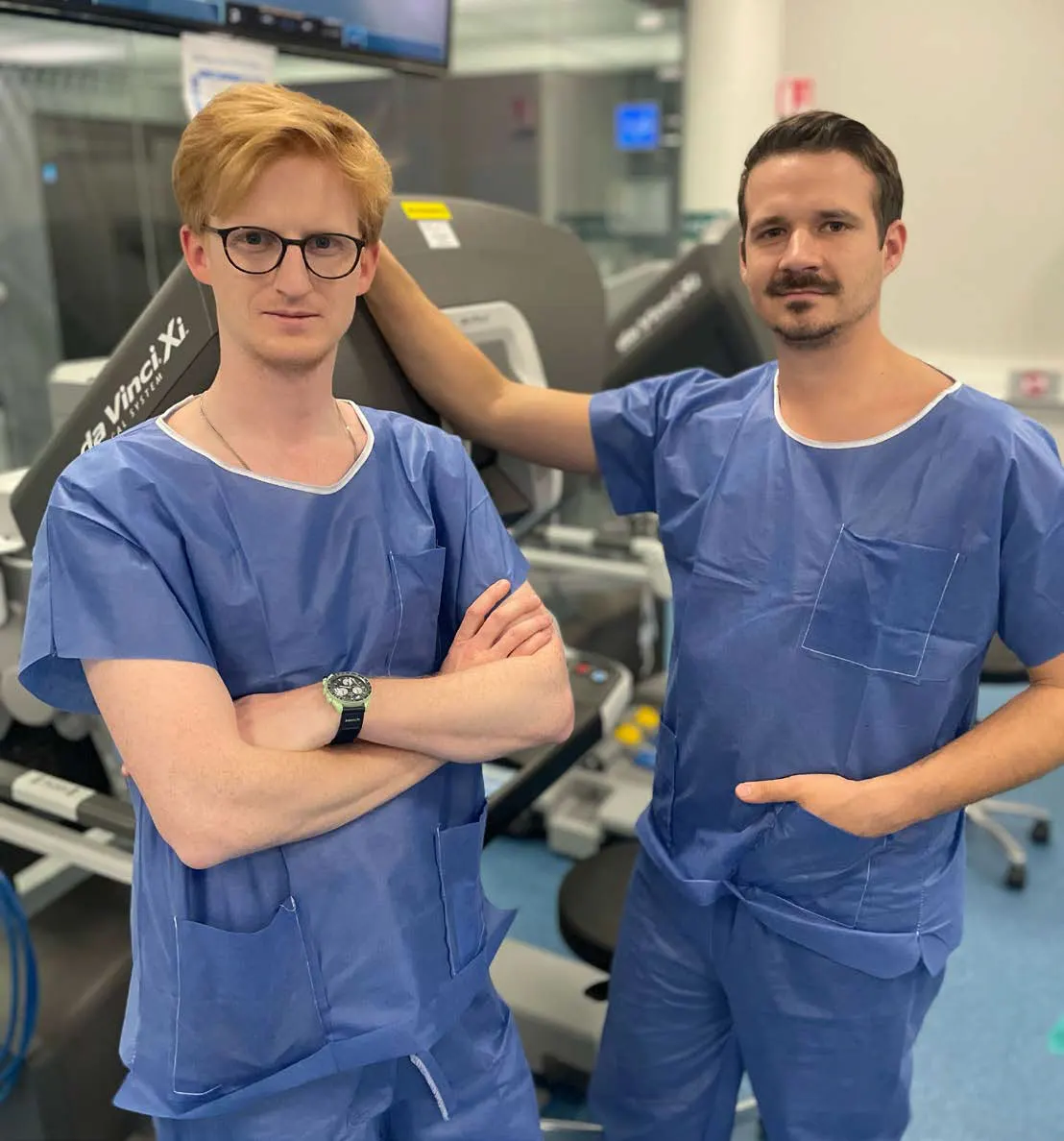
The Hernia Specialists – Dr. Viktor Frieders-Justin and Dr. Benjamin Glaser in the operating room

Dear patients,

Welcome to Die Hernienspezialisten – your practice for hernia surgery in Vienna.

Dr. Viktor Frieders-Justin and Dr. Benjamin Glaser are board-certified specialists in general and visceral surgery with a long-standing focus on abdominal wall hernias. Together, they perform around 200 hernia surgeries per year, have completed over 320 robot-assisted procedures, and hold the Quality Seal of the German Hernia Society (DHG).

As hernia specialists in Vienna, we offer the full spectrum of modern hernia surgery: from inguinal hernias to incisional and umbilical hernias, through to complex abdominal wall reconstructions – minimally invasive, robot-assisted, or open, depending on what is best for you. Surgery is performed at four leading medical facilities in Vienna, and whether you are a public or private patient, you have access to our full range of care.

Your health is our priority, and we look forward to welcoming you at our practice at Kaiserstraße 26, 1070 Vienna.

“We care about strong abdominal walls.”

Dr. Viktor Frieders-Justin & Dr. Benjamin Glaser
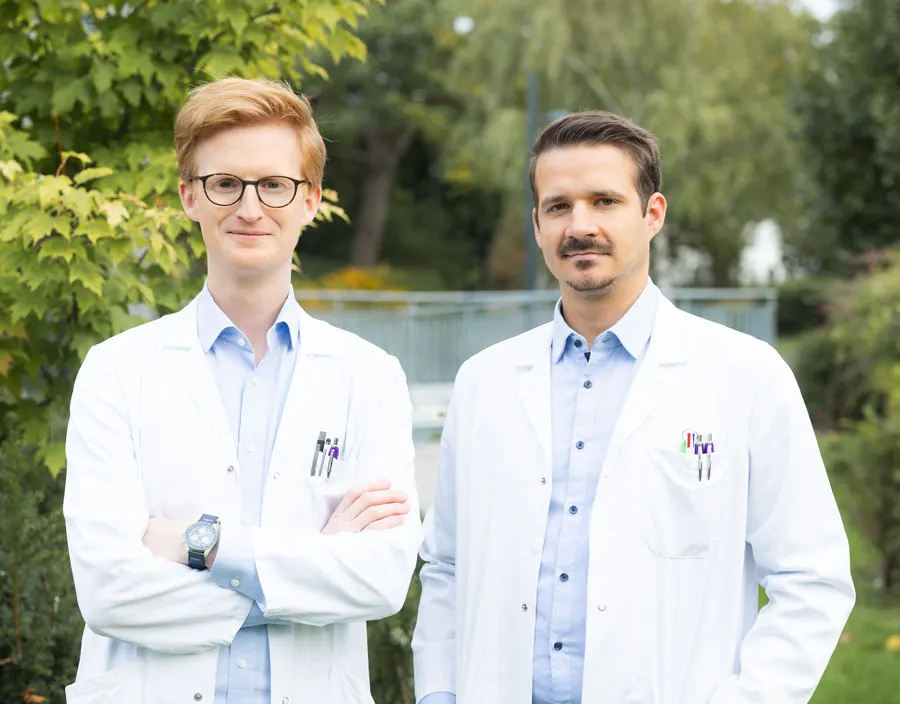
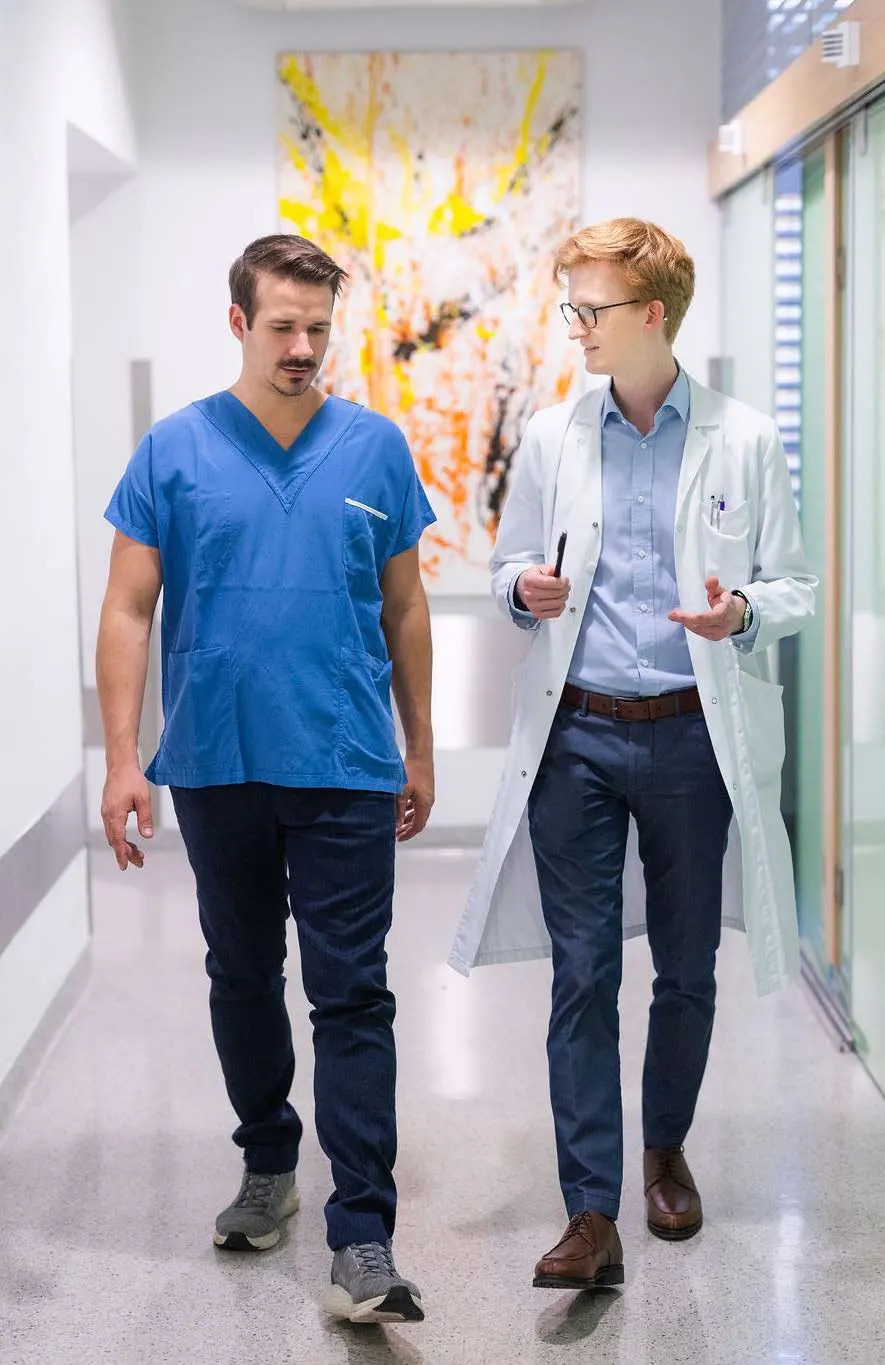
Dr. Viktor Frieders-Justin and Dr. Benjamin Glaser – hernia specialists in Vienna
Abdominal Wall Hernias

What Is a Hernia?

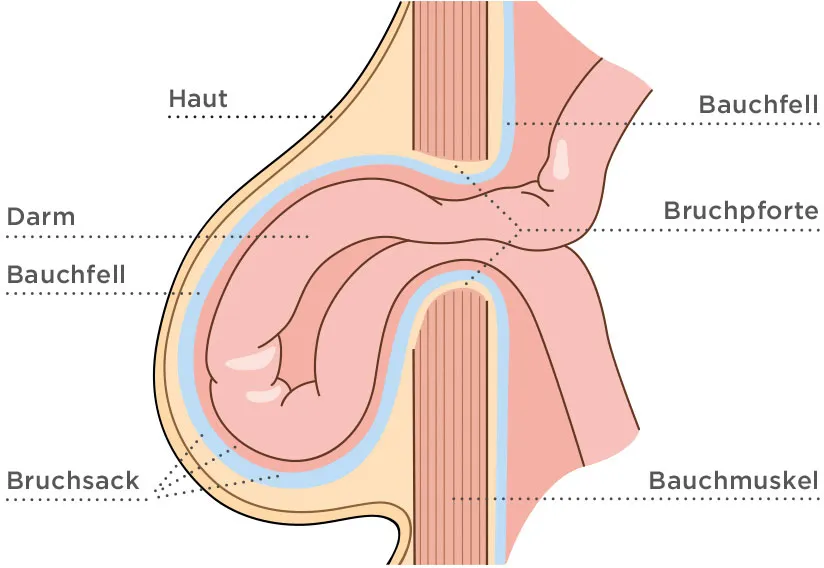
Schematic illustration of a hernia (abdominal wall hernia)

A hernia – also called an abdominal wall hernia or rupture – occurs when abdominal contents (e.g., bowel or fatty tissue) protrude through a weak spot in the abdominal wall musculature. This often results in a visible bulge or swelling that may become larger with pressure or exertion. Hernias may be congenital or develop over time due to muscle weakness, aging, or physical strain. The most common type is the inguinal hernia (groin hernia), followed by incisional hernias after previous surgeries and hernias of the anterior abdominal wall (umbilical hernia, epigastric hernia).

Typical symptoms include a feeling of pressure or pain in the affected area, a palpable bulge, and an increase in discomfort when coughing, straining, or lifting.

Hernias are often uncomfortable, but usually not immediately dangerous. However, in rare cases, bowel or fatty tissue can become trapped – a condition known as incarceration. This is a medical emergency requiring immediate presentation to a hospital emergency department. Signs of incarceration include sudden severe pain, hardening of the hernia, and redness or warmth of the overlying skin.

Hernias are primarily treated surgically, but in selected cases conservative (i.e., non-surgical) management may also be an option. This depends on factors such as the size of the hernia, symptoms, and individual health status. Whether surgery is necessary in your case and which approach is most suitable will become clear in the course of a thorough history-taking and physical examination.

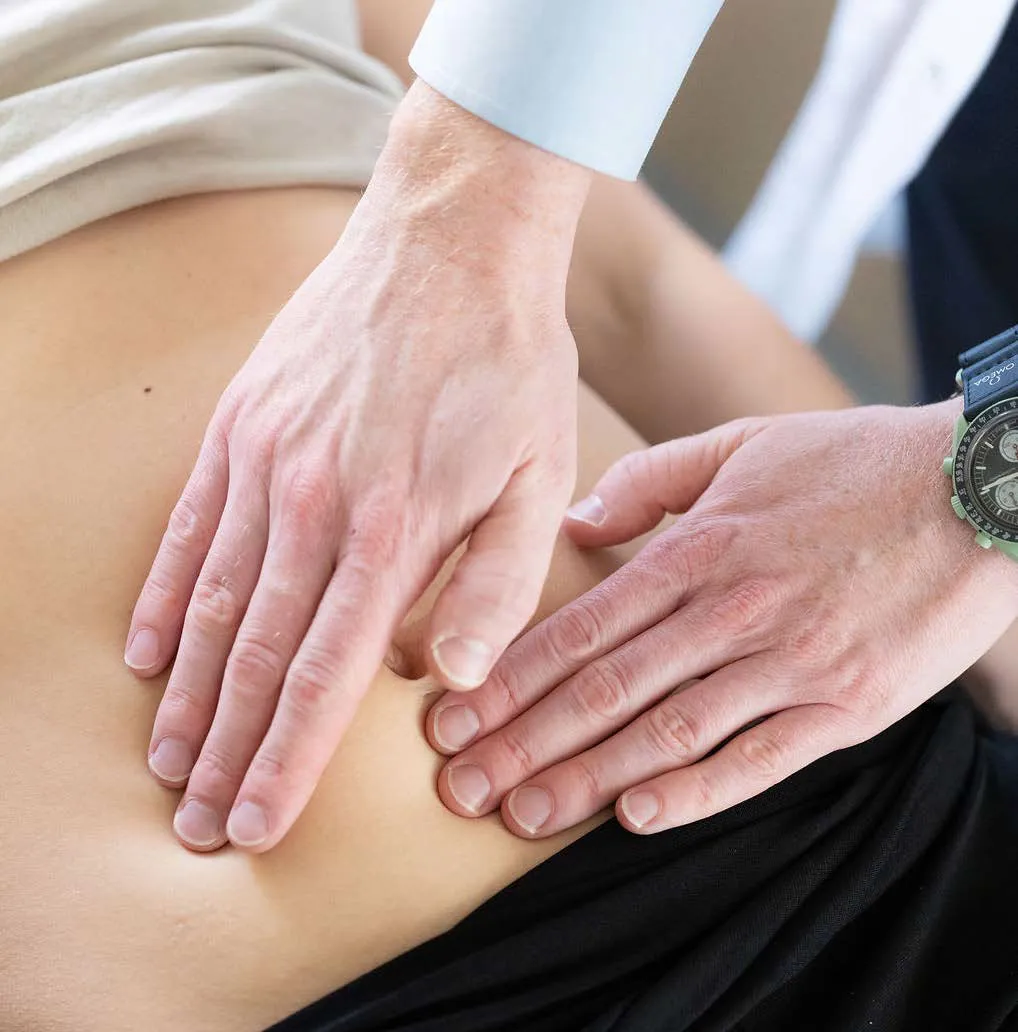
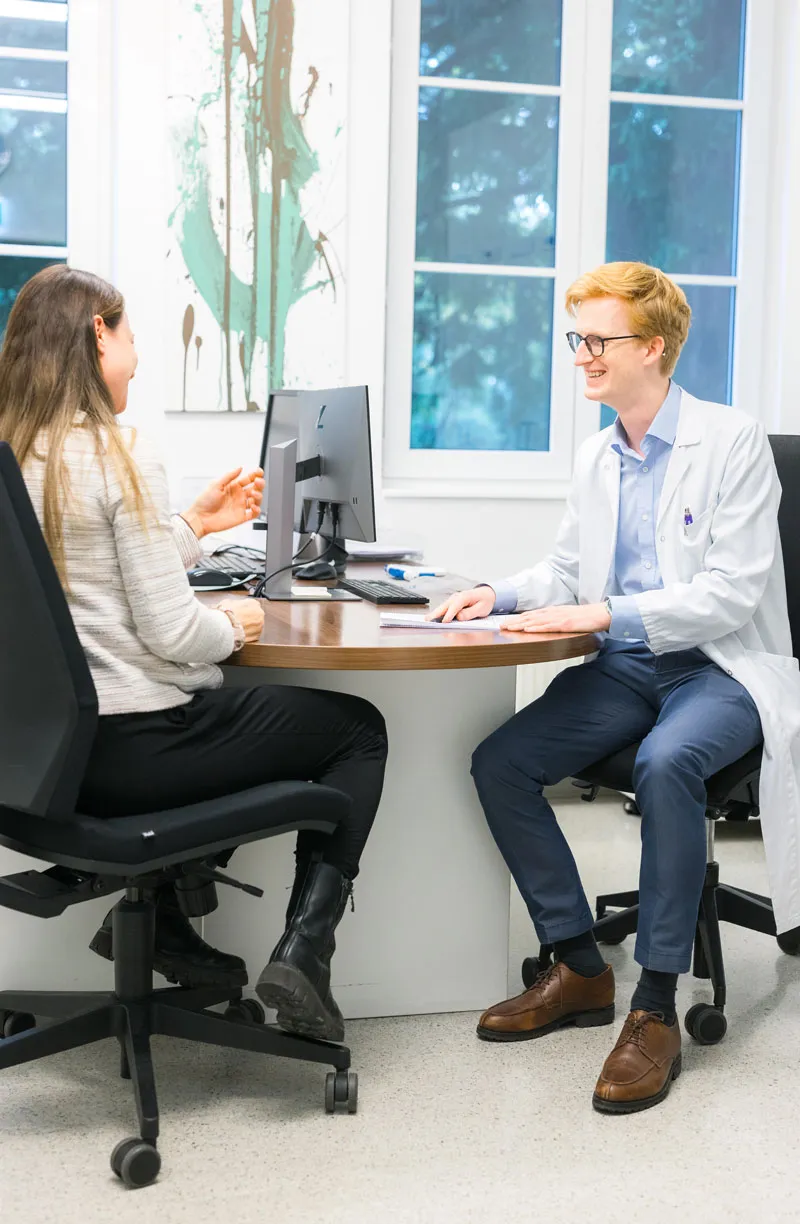
Medical examination – palpation of the abdominal wall

Types of Hernias and Their Treatment

Inguinal Hernia (Groin Hernia)

The inguinal hernia – also known as a groin hernia – is the most common of all abdominal wall hernias and usually presents as a visible swelling or bulge in the groin area. Inguinal hernias are more common in men than in women, but can occur at any age.

Inguinal hernias usually require surgical treatment. Depending on your individual findings and preferences, we use the following methods:

Open techniques: The hernia is repaired through an incision approximately 6 cm long in the groin. A synthetic mesh is typically used to reinforce the area (Lichtenstein procedure). In selected cases, the hernia can be closed without a mesh using a multi-row suture (Shouldice procedure). Open methods are primarily used when a minimally invasive approach is not possible or not desired, for example due to previous surgeries. We also offer open inguinal hernia surgery under local anaesthesia for patients who prefer to avoid general anaesthesia for medical or other reasons.

Minimally invasive techniques: The standard procedure for inguinal hernias is minimally invasive repair using a synthetic mesh. We use the TAPP (Transabdominal Preperitoneal Plasty) technique: access is achieved laparoscopically through the abdominal cavity, the abdomen is inflated with CO₂, and the surgery is performed through three small 5–12 mm incisions. The mesh is placed preperitoneally – between the peritoneum and the abdominal musculature. The advantages: faster recovery, less pain, and fewer wound complications. In selected cases, we also use the Da Vinci Xi surgical robot.

Hernias of the Anterior Abdominal Wall / Ventral Hernias (Umbilical & Epigastric Hernia)

Umbilical and epigastric hernias are among the most common hernias of the anterior abdominal wall. The umbilical hernia occurs around the navel – a natural weak spot in the abdominal wall. The epigastric hernia occurs along the midline between the navel and the sternum. In both cases, surgery is the treatment of choice when symptoms are present.

Open surgical methods: The incision is made directly in the area of the hernia. We close small hernias up to 1 cm using a slowly absorbable suture. Larger hernias are reinforced with a mesh in accordance with current guidelines, to minimize the risk of recurrence. We offer proven methods of mesh placement – preperitoneal (PUMP) and retromuscular (MILOS) – both characterized by particularly small skin incisions.

Minimally invasive techniques: For larger hernias, mesh reinforcement can also be performed using minimally invasive techniques. Through several incisions of approximately 10 mm, the hernial defect is closed from the inside and a mesh placed either preperitoneally or retromuscularly. These methods include laparoscopic procedures (eMILOS, eTEP) as well as robot-assisted techniques (ventral TAPP, TARUP), allowing the abdominal wall to be reinforced with very large meshes in a particularly gentle manner. Which method is right for you depends on the type and size of the hernia, your personal preferences, and your overall health – we will discuss this together at our practice in Vienna.

Incisional Hernias

Incisional hernias develop as a late complication after abdominal surgery, forming at the site of a previous surgical scar. They can become very large and, according to current guidelines, generally always require mesh reinforcement. As with ventral hernias, either an open or minimally invasive approach can be chosen. For large hernias with a hernial orifice greater than 8 cm, pretreatment of the abdominal wall – e.g., with targeted botulinum toxin injections – may be necessary. In complex cases, additional procedures such as component separation (partial release of the transverse abdominal muscles) may be required. We also use the Da Vinci Xi surgical robot where indicated. Incisional hernias are one of our core areas of expertise – particularly in complex or previously operated cases, we are your specialist team in Vienna.

Rectus Diastasis

Rectus diastasis – also known as abdominal muscle separation – describes the widening of the gap between the rectus abdominis muscles along the midline (linea alba). It frequently occurs during or after pregnancy, but can also develop with age or increasing abdominal girth.

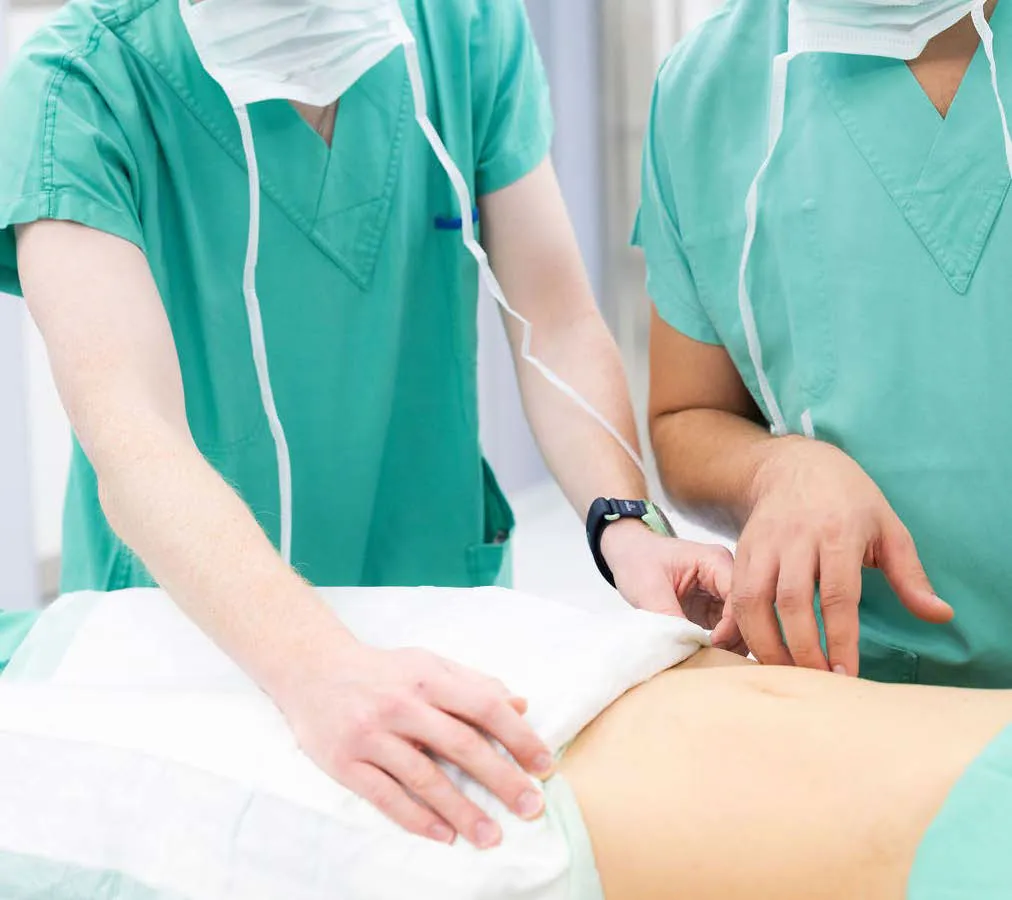
Minimally invasive hernia surgery

Typical symptoms include a visible bulge in the center of the abdomen – particularly when the abdominal muscles are tensed – and in some cases back pain or a general feeling of weakness in the abdominal wall.

Treatment begins with physiotherapy to strengthen the abdominal musculature. Surgery is only considered after a trial of conservative treatment or in cases of significant physical impairment. If rectus diastasis is combined with a hernia, we recommend simultaneous mesh reinforcement of the entire anterior abdominal wall – as rectus diastasis is considered a risk factor for further hernias.


State-of-the-Art Surgical Methods – Da Vinci Xi Surgical Robot

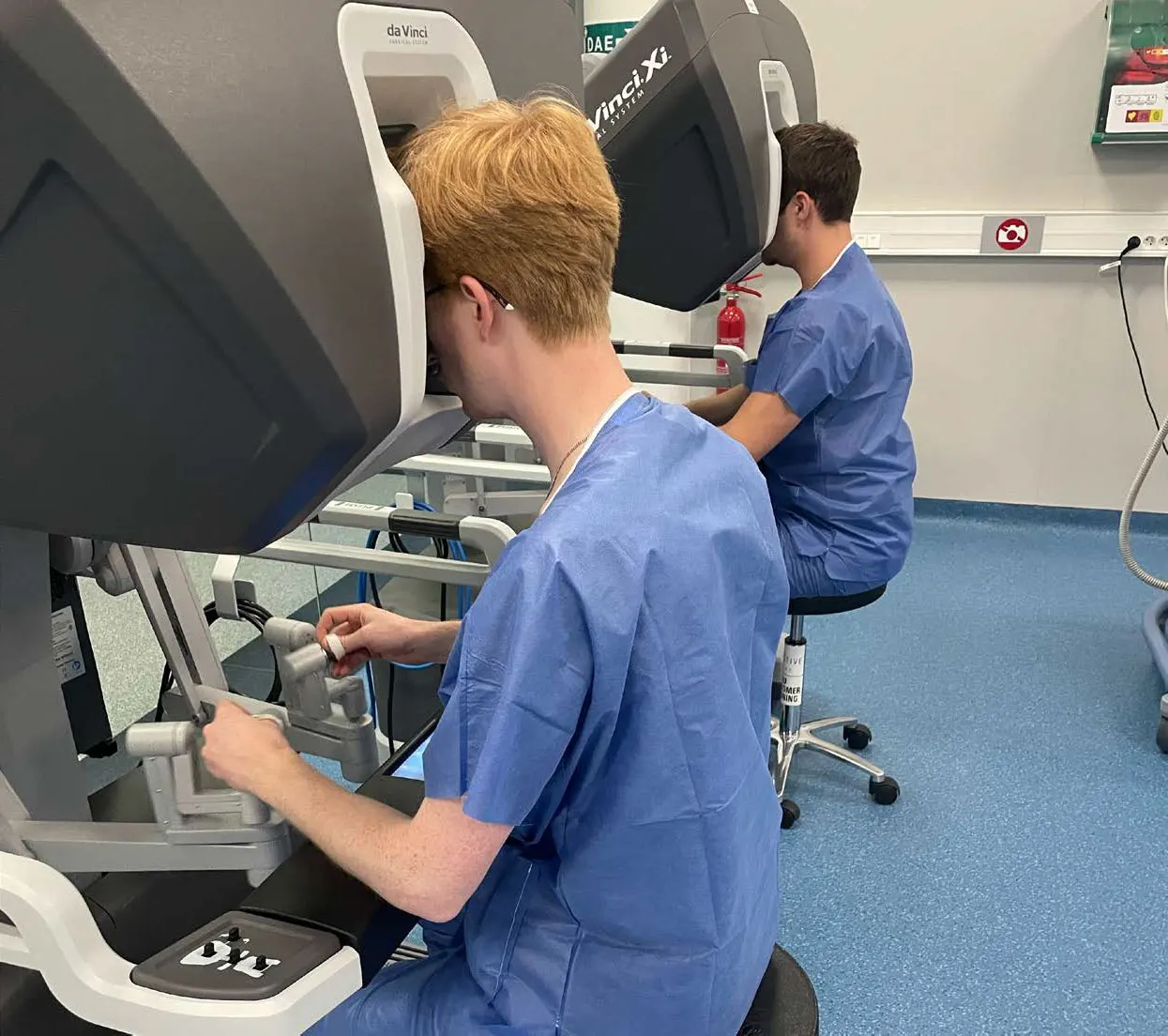
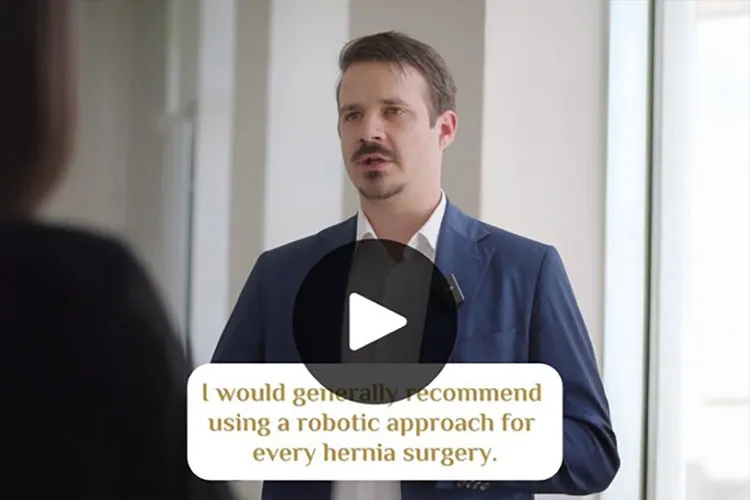
The Da Vinci Xi surgical robot represents the next generation of minimally invasive hernia surgery. Thanks to its high-definition 3D camera system and instruments with seven degrees of freedom, it enables procedures with a level of precision that cannot be achieved with conventional laparoscopic methods – allowing us to perform even complex hernia repairs minimally invasively that previously required large open incisions.

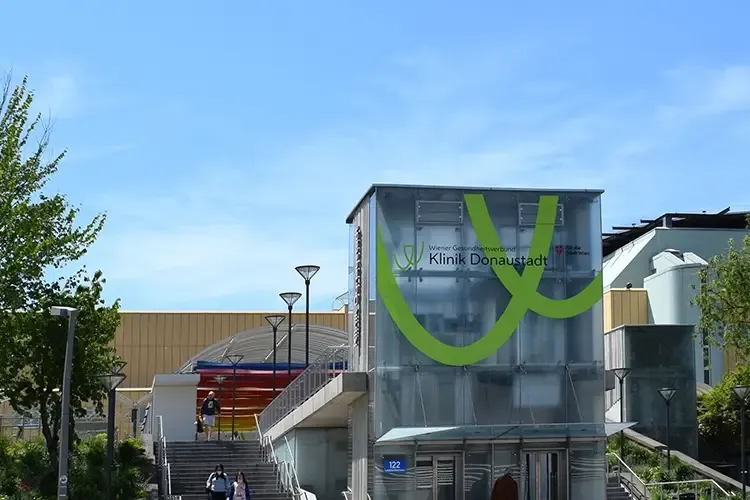
We are both certified in the Da Vinci Xi and have together completed over 320 robot-assisted procedures. We use the Da Vinci Xi at Klinik Donaustadt for both major abdominal surgeries and specialized hernia operations – including large incisional hernias, complex ventral hernias, and selected inguinal hernias. At the Wiener Privatklinik (WPK), we additionally have access to the Da Vinci X.

Not every hernia procedure requires robotic assistance. Whether we operate using a robot, laparoscopically, or open is decided together with you – individually, based on your findings, your preferences, and our experience. Our goal is always the safest and least invasive approach for you.

Da Vinci Xi surgical robot

When Should a Hernia Be Operated On?

Whether a hernia should be operated on depends on various factors – and is always an individual decision that we make together with you. Surgery should be considered when:

  • Symptoms such as pain, pressure, or other discomfort are present.
  • The hernia is growing or has already reached a relevant size – in this case we recommend prompt evaluation.
  • The hernia affects quality of life or limits everyday activities.
  • There are aesthetic concerns – this, too, is a legitimate reason for surgery.

A medical emergency exists when bowel or fatty tissue becomes trapped in the hernia – a condition known as incarceration. Signs include sudden severe pain, hardening of the hernia, redness or warmth of the overlying skin, and in some cases nausea or vomiting. If this applies to you, please go to a hospital emergency department immediately – do not hesitate.

Ultimately, every decision about whether and how to operate is individual. What is particularly important to us: we will also advise you honestly and directly if surgery is, in our view, not the right course of action. After thorough examination at our practice in Vienna, we are happy to discuss all treatment options and find the best approach together with you.

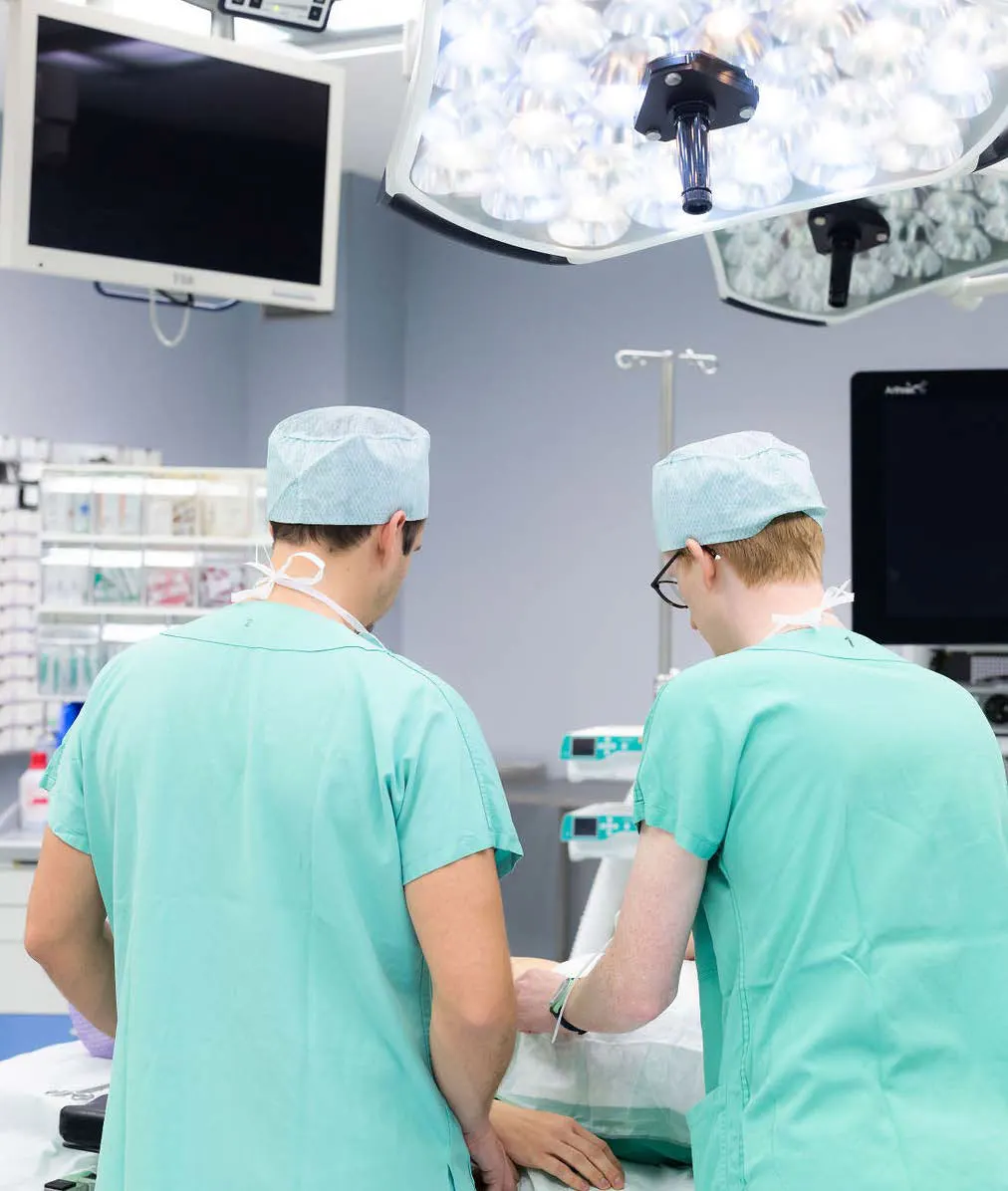
Hernia operation in the OR

General Surgery – More Than Hernia Specialists

More Than Hernia Specialists.

As board-certified specialists in general and visceral surgery with many years of experience at Klinik Donaustadt, we treat a range of surgical conditions beyond our specialization in hernias.

Our additional services include:

  • Gallstones – diagnosis and surgical treatment (cholecystectomy)
  • Diverticulosis and diverticulitis – inflammation and outpouchings of the colon
  • Malignancies of the colon – diagnosis and surgical treatment of colorectal cancer
  • Endoscopic evaluation – gastroscopy (upper GI endoscopy) and colonoscopy (lower GI endoscopy)

Patients with oncological conditions (e.g., breast cancer) are treated in close cooperation with the Medino Onko Health Centre (Auerspergstraße 6, 1010 Vienna).

Second Opinions

When facing important surgical decisions, it is worth considering all available information – a second opinion can be decisive. Our many years of experience as specialists at one of Vienna’s largest hospitals allow us to offer you an independent and comprehensive assessment in nearly all areas of visceral surgery.

A second opinion with us offers you:

  • Confidence: gain reassurance about your treatment plan through an independent review.
  • Alternative perspectives: receive different viewpoints and treatment options tailored to your individual situation.
  • An informed basis for decision-making: make well-founded decisions drawing on a broad range of surgical expertise.
Dr. Benjamin Glaser and Dr. Viktor Frieders-Justin

The Hernia Specialists – Team & Biographies

We care about strong abdominal walls

Dr. Benjamin Glaser

Dr. Benjamin Glaser

Born in Vienna and raised in Donaustadt, I attended school locally. After completing technical high school with honors, my passion for medicine emerged during my civilian service with the Red Cross. I then studied medicine at the Medical University of Vienna. Having always had a natural aptitude for hands-on work, the decision to pursue surgery felt like a natural fit. After completing my medical training, I began my surgical specialization at Klinik Donaustadt, where I continue to practice as a consultant surgeon today. In my free time, I enjoy home improvement, spending time with my wife and children, and advocating for better healthcare and working conditions.

Dr. Viktor Frieders-Justin

Dr. Viktor Frieders-Justin

Born and raised in Styria, I initially considered studying law or political science. Toward the end of high school, I chose medicine at the Medical University of Graz – inspired in part by the grateful patients I met through my grandfather, himself a surgeon. During my studies, anatomy and surgery fascinated me above all else, laying the foundation for my further career. After graduating, I made the move to Vienna, gaining my first clinical experience at St. Elisabeth Hospital. I completed my surgical specialization at Klinik Donaustadt, where I continue to practice as a consultant surgeon. The immediate help we can almost always provide to our patients is, for me, the most rewarding and fulfilling aspect of our field.


Early in our careers, we both focused on the specialized field of hernia surgery. Together, we introduced new minimally invasive techniques at Klinik Donaustadt and successfully established the Herniamed quality assurance programme, earning the German Hernia Society’s quality seal. Following the introduction of the robotic surgery system at our hospital, we were both certified in robot-assisted procedures, further expanding the range of hernia treatments we can offer. Together, we perform approximately 200 hernia surgeries per year – from straightforward inguinal hernias to complex abdominal wall reconstructions. Continuous education and the critical evaluation and improvement of our own methods are, for us, essential pillars of successful treatment.

We are delighted to use our expertise and experience to help and heal people with abdominal wall hernias every day – because we care about strong abdominal walls.

We care about strong abdominal walls.


Why Specialization?

Hernia surgery has advanced rapidly over the past few decades, with a wide range of techniques – some of them highly complex – that require solid expertise and regular practice. Our specialization in hernias allows us to offer the full spectrum of modern hernia surgery – from straightforward inguinal hernias to complex abdominal wall reconstructions.

With many years of experience and approximately 200 hernia surgeries per year, we can explain all the pros and cons of surgery to you and – perhaps most importantly – honestly advise you when surgery is not advisable. A well-coordinated, specialized team means greater safety, more efficient procedures, and demonstrably better outcomes for you.

Our follow-up care is structured within the Herniamed quality assurance programme – with check-ups at one, five, and ten years. This allows us to continuously review our own long-term outcomes and improve our quality of care.

Dr. Benjamin Glaser and Dr. Viktor Frieders-Justin

Herniamed – Proven Quality

Herniamed is an international quality registry for hernia surgery that systematically collects, analyzes, and documents surgical data. It supports surgeons in monitoring their outcomes, making evidence-based decisions, and benefiting from the experience of a worldwide network of hernia specialists.

As a certified member of the Herniamed network, we register all our procedures and follow up with our patients systematically – at one, five, and ten years. This allows us not only to continuously review our own quality, but also to actively contribute to the advancement of knowledge in hernia surgery.

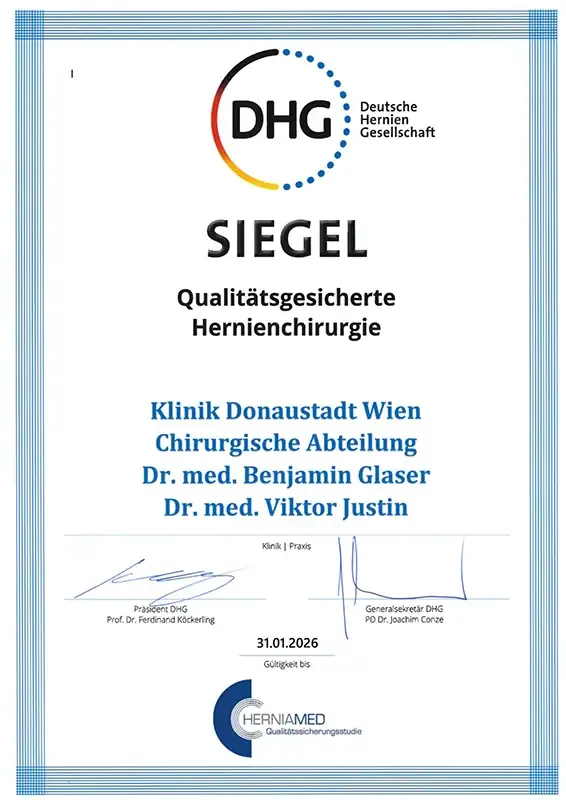
For our commitment to quality assurance, we have been awarded the DHG Quality Seal “Certified Hernia Surgery” by the German Hernia Society (DHG) – the first level of official certification by the leading professional society for hernia surgery in the German-speaking world.

DHG seal Certified Hernia Surgery Herniamed certificate

Articles

Practice

Personalised Care.

Find Us Here

Our practice is located at Kaiserstraße 26 in Vienna’s 7th district (Neubau) – in the rooms of the practice of Dr. Schönfeld, entrance through the courtyard. The practice is conveniently accessible by public transport: U3, U6, tram line 5, and the S-Bahn (Westbahnhof). Parking is available in the short-stay zone and in nearby car parks. We welcome patients from Vienna and the greater Vienna area – including Lower Austria and Burgenland.

We Are Private Practitioners (Wahlarzt)

We offer our services as private practitioners without a public health insurance contract. Invoices are issued as fee notes, which you can submit to your public or private health insurance for reimbursement. In our experience, most insurers reimburse at least a portion of our fees.

Our Fees

An initial consultation costs €200 – plus €50–100 where applicable for surgical planning and informed consent. Follow-up appointments and check-ups are €150, and telemedicine consultations are €100. The surgery itself is in most cases covered by your health insurance. Self-paying patients receive a detailed cost estimate before any operation. (All prices inclusive of VAT, valid from May 2025.)

We also welcome international patients – either through their existing health insurance or as self-paying patients. For self-pay surgery, we provide a detailed cost estimate in advance, covering all surgical, anaesthesia, and hospital fees. Please contact us directly to discuss your individual situation.

Where We Operate

We perform surgery at four leading facilities in Vienna – depending on your preferences and insurance:

The Hernia Specialists’ practice at Kaiserstraße 26, 1070 Vienna
Practice location – Google Maps
For privacy reasons, the map is only loaded after your consent. Data will be transmitted to Google.

FAQ / Frequently Asked Questions

Answers About Hernias & Treatment

General Information About Hernias

Consultation & Diagnosis

Surgical Methods & Techniques

Before & After Surgery

Costs & Insurance

About Us & Locations

Concerns & Trust

Additional Services

Contact

We look forward to hearing from you!

Practice

The Hernia Specialists
Kaiserstraße 26
1070 Vienna (Neubau)

Office hours

By appointment

To protect your data, we only collect what's necessary in this form. Please don't enter any diagnoses, symptoms or health details here – we'll discuss such sensitive information confidentially by phone or in person.